5 Best Tips on How Often to Water Indoor Plants
t’s not simply a matter of how often you water indoor plants on the same day each week that keeps them healthy. Some plants will need watering a few times a week, others can go a long time between waterings, depending on light and temperature.
The best way to water houseplants is not by a certain calendar, but by checking the plant and the growing medium. Such factors as type of plant, size of pot, drainage, light, temperature, humidity and season affect the rate at which moisture is used. The Royal Horticultural Society (RHS) in particular recommends checking whether the compost has dried out rather than watering on a timetable.
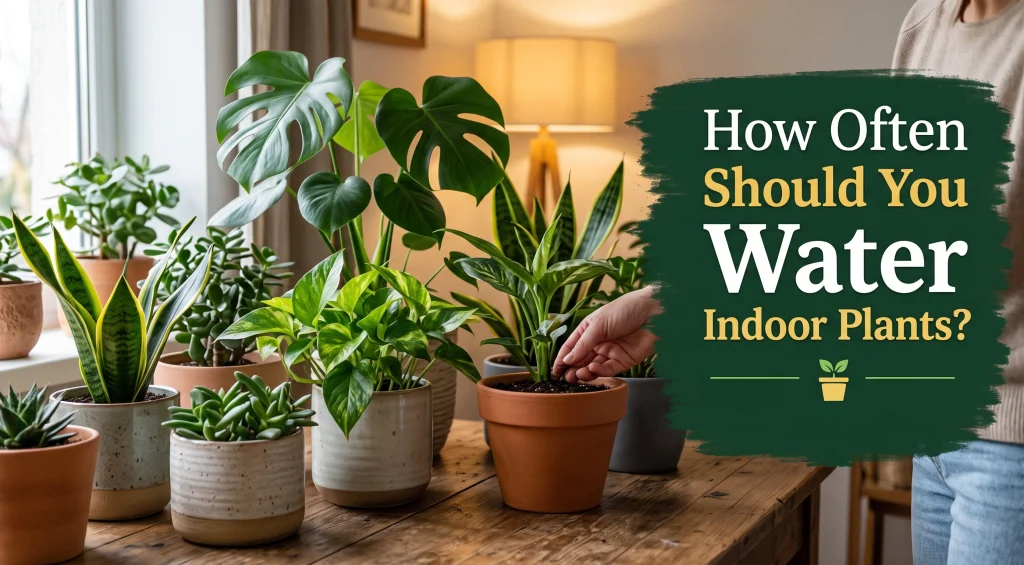
So, how much water do house plants require? Water when the plant needs it, according to its particular growing conditions.
How Often Do You Water Houseplants?
It’s more useful to check the soil every few days with many common houseplants than to set a weekly schedule. When the upper layer of the potting mix is dry to the depth appropriate for the plant, it is usually time to water.
But there is no one interval that works for every indoor plant.
A thirsty tropical plant sitting in a warm room with bright light may dry out much faster than a succulent in a cooler, dimmer spot. A small pot can also dry out more quickly than a large pot.
Instead of, “Is it watering day?” ask:
- Is this plant in a dry enough potting mix?
- Does the pot seem significantly lighter?
- Are there signs of water stress in the plant?
- Is it warmer, brighter or drier than normal growing conditions?
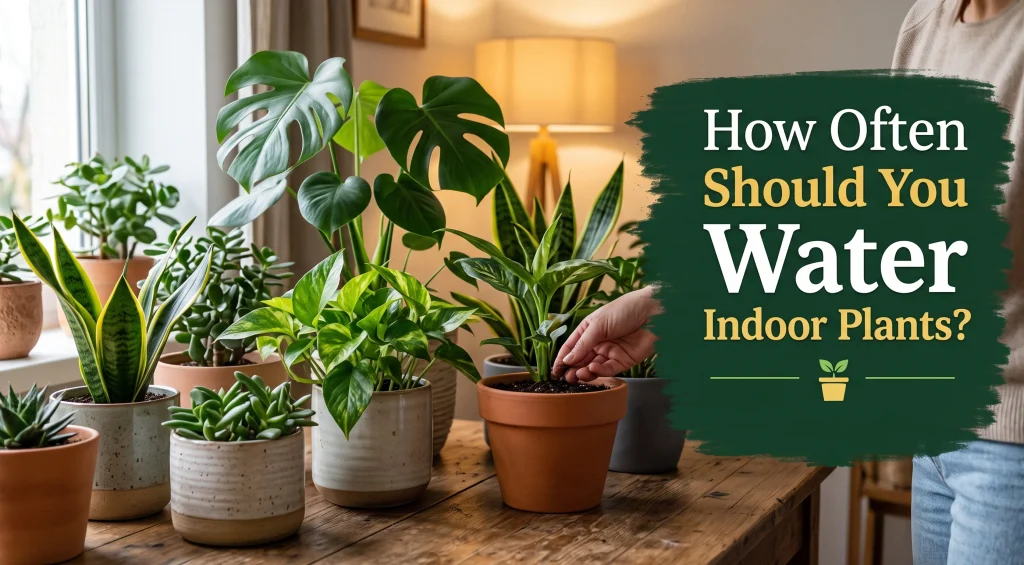
The moisture-first method avoids both underwatering and the much more common error of keeping the roots perpetually wet.
What Factors Determine the Frequency of Watering a Houseplant?
How often you water depends on a variety of factors, both environmental and plant specific.
1. Plant Type
Different plants have very different water needs.
Succulents and cacti store water in their leaves, stems or roots and need the growing medium to dry out considerably between watering. Many tropical foliage plants, however, prefer more consistent moisture.
When you make a watering schedule, always keep in mind the natural habitat of the plant.
2. Pot Size and Drainage
A plant in a small container can dry quickly, because there is less growing medium to hold moisture. A big pot of water stays hot for a lot longer.
Drainage is equally important too. Drainage holes are required in containers to allow excess water to escape. If roots are left in water for long periods, air spaces in the growing medium can become saturated, creating conditions that can damage roots.
You can also use a decorative outer pot to conceal standing water, so be sure to check after watering and dump out excess water when needed.
3. Temperature and light
Plants in brighter light and warmer temperatures tend to lose water faster.
Partly this is because plants lose water by a natural process called transpiration. The RHS says that transpiration rises in warm conditions and falls in cool or humid conditions.
This means that you might have to check a plant near a sunny window in the summer more often than you would the same plant in a cooler room during the winter.
4. Potting Soil or Mix
Some potting mixes hold water longer than others. A dense, moisture retentive mix can stay wet for a long time, whereas a loose, fast draining mix can dry much sooner.
It is not just a matter of keeping the soil moist. The growing medium needs to provide proper moisture and air balance to the roots.
5. Seasonality and Humidity
Indoor plants need less water in a slow growing period, especially in the cooler, darker conditions of winter. The RHS recommends you be extra careful not to overwater in winter as the lower light and temperatures can mean the plants are growing less and need less water.
Dry indoor air can cause foliage to lose even more moisture when the heat is on. You may need to change your watering schedule throughout the year.
How to Know When Your Houseplant Needs Water
One of the most useful skills you can develop as a houseplant owner is to be able to read the plant and its soil.
Check the Soil
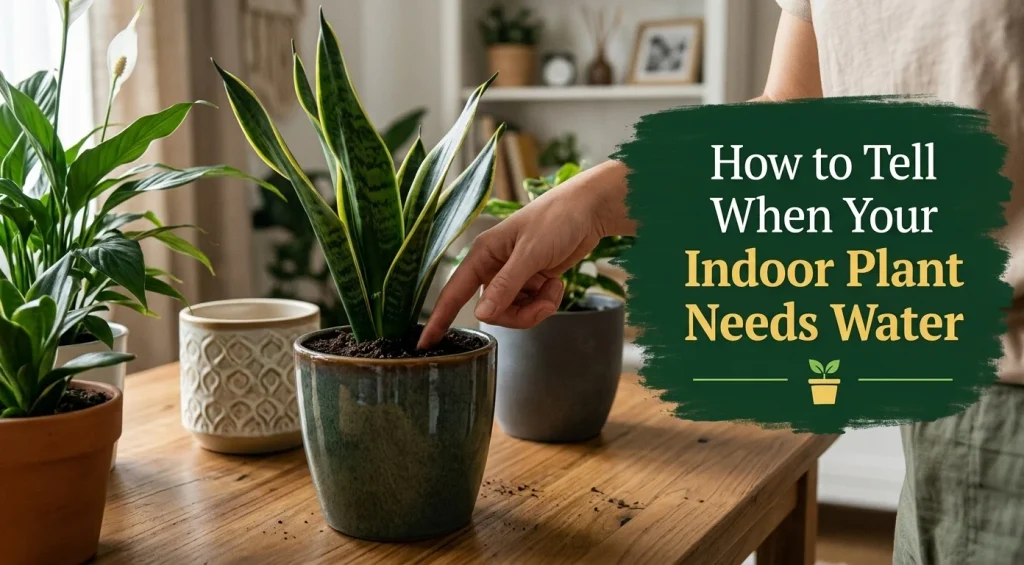
For many plants, put your finger a couple of centimeters into the growing medium. If it still feels wet to the touch, wait and check again later.
When the appropriate top layer is dry and the plant’s needs indicate that it is time to water, give it a good watering.
The depth to check depends on the plant. A moisture-loving plant may need watering while the mix is still a little damp, whereas a drought-tolerant succulent typically requires a longer drying period.
Weigh the Pot
This is a particularly useful technique once you get to know your plants.
After watering, lift the pot and sense its weight. Watch it again as the media dries out. In time you’ll get a feel for when a container needs watering and when it’s adequately watered.
Check for Symptoms on the Plant
Wilting, yellowing, brown or crispy edges and dropping leaves can all be signs that something is wrong, but do not necessarily mean the plant needs more water.
Underwatering, for example, can lead to brown crispy edges and wilted foliage. Overwatering can cause wilting too and it is easy to inadvertently add more water.
Always check the growing medium before deciding what to do.
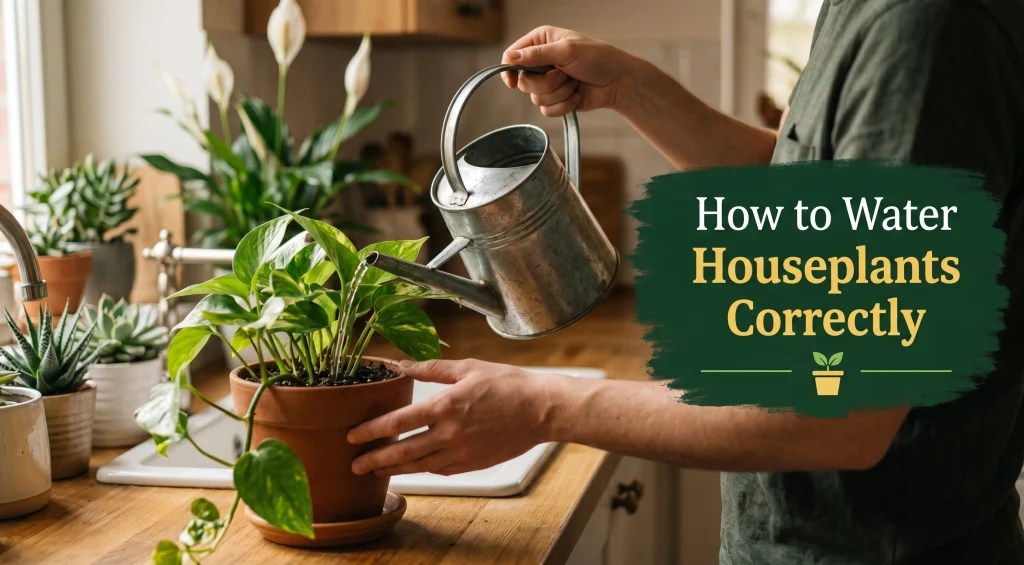
How To Water Houseplants The Right Way
The method is important after you’ve ascertained that a plant needs water.
Follow These Directions
- First, check the soil. Don’t water simply because a certain number of days have passed.
- Use the correct water, at the right temperature. Usually, a practical choice is water at room temperature.
- Water the growing medium and not the foliage as a regular practice.
- Water well so that moisture reaches the root zone.
- Allow excess water to drain out the drainage hole of the container.
- Empty standing water from saucers and other decorative vessels.
- Water the plant later, rather than immediately rechecking it.
Usually it is better to get a good soak and then dry out properly rather than have frequent tiny drinks. The RHS advises giving houseplants a good water, enough so that it comes out of the drainage hole, and then letting them drain well.
How to Water Various Types of Indoor Plants
Let your routine be dictated by the nature of your plant.
| Type of plant | Watering method of common |
| Tropical houseplants | Check regularly . Water when the right layer of mix starts to dry out . |
| Succulents | Let the growing medium get quite dry before watering again |
| Cactuses | Do not over water . Keep the growing medium moist but not soaking . |
| Ferns. – | Often prefer more constant moisture, depending on the species. |
| Airplants | Treat them like soil grown plants, but follow their specific care requirements |
These are broad categories, not hard and fast timelines. Different species may have different requirements.
For example, air plants like Tillandsia absorb moisture through specialized structures on their leaves and require different watering than plants grown in potting soil.
If you’re new to indoor gardening, learn how to care for a snake plant indoors with our easy care guide.
Indoor conditions should change your indoor plant watering schedule.
Spring & Summer
Longer days, stronger light and warmer temperatures can boost plant activity and moisture loss. Check your plants more often, especially those near bright windows.
In active growth some plants may need much more frequent watering.
Fall and Winter
Many indoor plants slow growth and use water more slowly as light levels and temperatures drop.
Herein lies the problem with having a set weekly routine. Watering at the same frequency as summer can keep the growing medium wet too long.
Heating also can make indoor air very dry so watch both soil moisture and the plant’s overall condition.
Too much or too little water: How to tell?
One of the most common mistakes beginners make is to think that a yellow or wilting plant needs more water.
Signs of possible under-watering
- Dry soil in pots
- Droopy or wilted leaves
- Brown, crispy leaf ends.
- Leaves that get dry or shriveled
- Yellowing and dropping of older leaves in some plants
Signs of over-watering include:
- recurrent wet growing medium
- Water left in outside container or saucer
- yellow leaves
- Shriveling, though the soil is wet,
- Susceptible plants with root or stem problems
These symptoms may look like issues with light, temperature, pests, humidity, or roots. Examine the growing conditions and don’t diagnose the problem from one symptom.
Watering Mistakes to Be Avoided
Irrigation on a fixed schedule
“Every Sunday” is a nice round figure, but plants don’t keep to your calendar. 1. Check the moisture.
Giving small amounts too frequently
Small splashes may only wet the surface above and not sufficiently hydrate the root zone. Usually, when the plant is ready for water, thorough watering works better.
Disregarding drainage
A beautiful decorative pot does not mean you should accept poor drainage. Ensure there’s somewhere for the extra water to go.
Treating all plants equally
A cactus, fern, pothos and tropical flowering plant all have very different moisture requirements.
More watering when a plant wilts
Wilting is a sign, not a diagnosis. Check the soil before watering again. Wilting is caused by both overwatering and underwatering.
Frequently Asked Questions on Watering Houseplants
How often do I water indoor plants?
No schedule for all. Check the growing medium frequently and water when it is dry to the level appropriate for your particular plant. Light, temperature, humidity, pot size and plant type can affect how often watering is needed.
When should I water my houseplants morning or evening?
When to water house plants As a rule of thumb, consistency and appropriate soil moisture are more important than any particular hour. The key is to avoid over-watering and letting excess water drain away properly.
How do I water indoor plants from the top or bottom?
Both methods can work for certain plants and conditions. Water from the top so that the growing medium is wet and excess water runs off. Some plants also thrive with occasional bottom watering, but the growing medium should not be kept in a state of constant saturation.
How do I know if my houseplant is overwatered?
Are you noticing that the growing medium is staying wet for long periods? Is there water pooling in the container? Is the plant showing signs such as yellowing or wilting despite wet soil? If problems continue, investigate the roots.
Do I need to water houseplants less in the winter?
Most of the time, sure. Many houseplants slow down when the light and temperatures are lower, so they may be using less water. But the conditions inside are different, so don’t just follow a winter schedule, keep checking the growing medium.
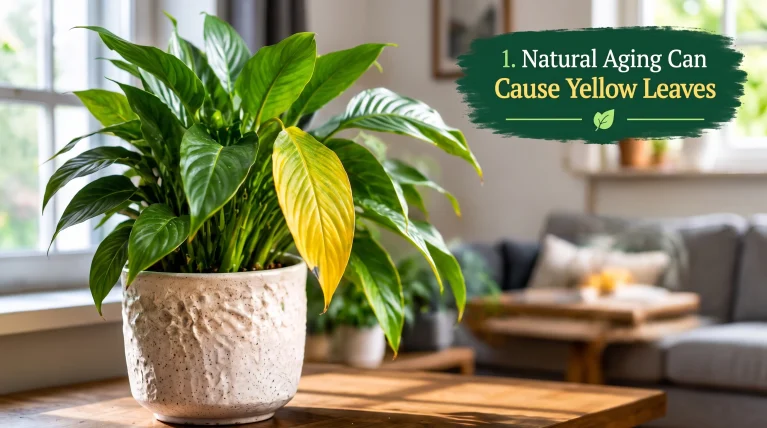
Yellow leaves might mean the plant needs water. But it can mean other things too.
They can, but yellow leaves are not evidence of underwatering. Watering problems can cause yellowing for a lot of reasons. Check the soil moisture, drainage, light and other growing conditions before changing your watering routine.
Conclusion
Successful watering of houseplants is less about a strict calendar and more about understanding what your plants are telling you.
Before watering, check the growing medium, consider the individual plant’s needs, and watch for changes in light, temperature, humidity, and season. When a plant needs water, give it a good drink and let the excess run off — not to sit the roots in water.
Once you get into the habit of checking your plants rather than watering automatically, it is much easier to strike the right balance. The point isn’t to keep the soil wet constantly, but to give the roots enough moisture to be healthy while letting the growing medium have the air and drying time the plant needs.