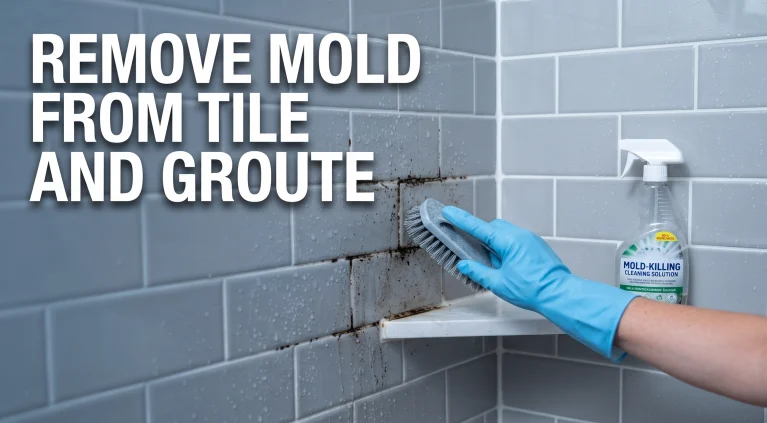
Cleaning Checklist: 15 Easy Home Tips
Maintaining a clean home doesn’t have to take an entire weekend of scrubbing, dusting, and organizing. With a simple weekly routine, breaking larger jobs into smaller, predictable tasks, keeping up with household cleaning can be a lot easier. This cleaning checklist helps you follow a simple routine.
“The trick is to know what really needs to be looked at each week and what can be done less often. This cleaning checklist is a handy room-by-room routine for the kitchen, bathrooms, bedrooms, living spaces, floors and laundry areas.
You can get the list done in one sitting or spread the jobs out over the course of the week. The best kind of schedule is one that you can actually follow. This cleaning checklist can help you plan your weekly tasks.
Using a Weekly Cleaning Schedule
Gather your basic supplies before you start so you don’t have to stop and search for them. Keep this cleaning checklist ready before you begin.
A general-purpose cleaning kit may contain:
- Microfiber cloths
- A vacuum cleaner.
- Dustpan and broom
- A mop.
- Multi-surface cleaner for your surfaces
- Toilet cleaner
- Glass or mirror cleaner.
- Soft sponge or scrubbing brush
- Rubber gloves
- Trash bags.
Always read and follow label directions. Specific cleaning products may be required for different surfaces such as natural stone, finished wood, specialty materials. Use this cleaning checklist to organize your supplies.
You don’t need to clean every room in the same way every week either. Make it a priority to get rid of dust, dirt, spills, clutter, and buildup before they get out of hand. This cleaning checklist makes it easier to keep track of your work.
Weekly House Cleaning Checklist
kitchen area
The kitchen normally requires additional attention because of frequent food preparation, spills, grease, moisture. Use this cleaning checklist to keep your kitchen clean every week.
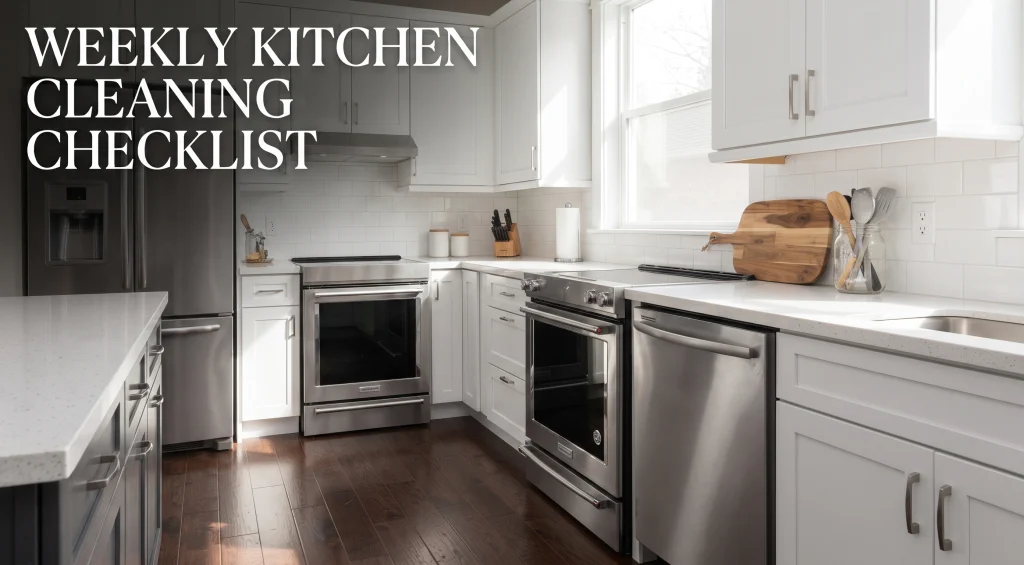
In your weekly kitchen routine you can include:
- Wipe counters and backsplashes.
- Clean the stovetop and area around it.
- Wipe cabinet handles and other high-touch areas.
- Wipe appliances clean on outside.
- Clean the inside of the microwave if needed.
- Wash the sink and faucet.
- Wipe kitchen table and chairs.
- Clean floor by sweeping and mopping.
- Empty the rubbish and clean the bin as required.
- Check the refrigerator for expired or spoiled foods.
Make sure to clean the hard-to-reach spots, like under the small appliances and the perimeter of your stovetop. This cleaning checklist reminds you to pay attention to these areas.
You don’t need to deep-clean the oven and refrigerator every week. Those jobs can typically be scheduled less frequently unless there has been a spill or heavy buildup. Follow your cleaning checklist for regular kitchen maintenance.
Bath Rooms
Moisture, soap scum, hair, and general bathroom use can quickly cause visible buildup, making regular cleaning a good habit. Add these jobs to your cleaning checklist to keep your bathroom fresh.
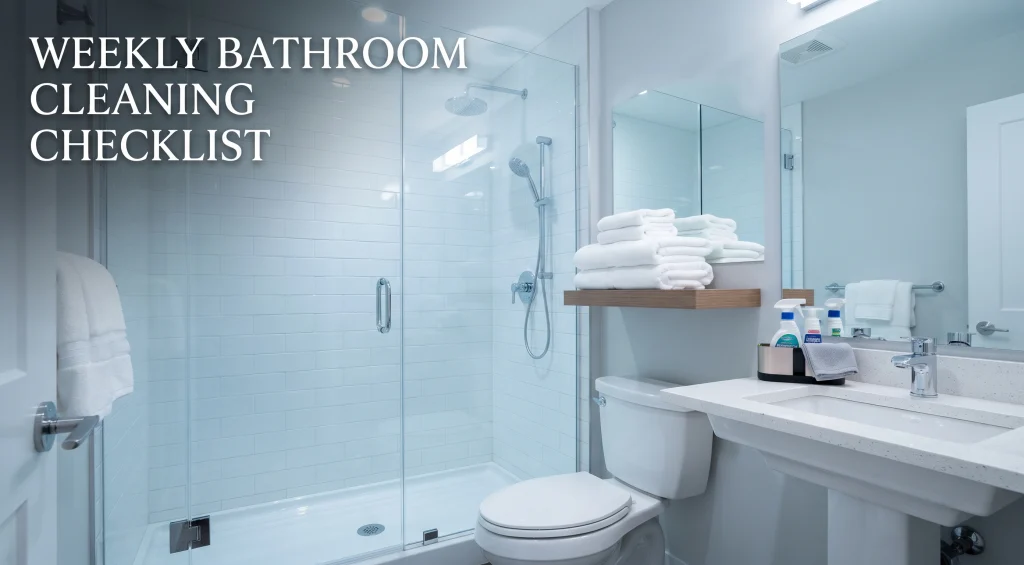
Work them into your week:
- Wipe down the toilet, outside the bowl and floor around the toilet.
- Scrub the bath or shower.
- Clean the sink and tap.
- Countertops and shelves cleaned.
- Mirrors, clean.
- Remove hair and debris from accessible drains for routine cleaning.
- Take the garbage out.
- Vacuum or sweep the floor.
- Scrub the floor.
- Replace or wash damp bath mats when needed.
And don’t forget to give shower walls and glass a little attention before soap and mineral residue gets hard to remove. Your cleaning checklist can help you remember these areas.
Good ventilation is important, too. Use a proper exhaust fan and allow wet areas to dry out to help reduce moisture problems.
BEDROOMS:
Bedrooms are usually less demanding to clean than kitchens and bathrooms but regular maintenance makes it easier to keep them comfortable. Follow this cleaning checklist for your weekly bedroom routine.
Every week:
- Change the bed sheets and pillow cases as part of your house-keeping routine.
- Dust off bedside tables and other surfaces.
- Dust lamps and furniture within reach.
- Vacuum or sweep floor floor.
- Empty the wastebaskets.
- Store clothes and other items.
- Clean mirrors if necessary.
Take the opportunity to put misplaced items back where they belong. A few minutes of cleaning can make the room feel much more organized, without turning cleaning day into a major decluttering project. This cleaning checklist helps you keep bedrooms tidy.
Living Room / Shared Spaces
Shared spaces tend to get dusty and cluttered quickly, especially in busy homes. Use this cleaning checklist to keep shared spaces clean and organized.

Your weekly checklist must have:
- Dust furniture and shelves.
- Clean surfaces touched regularly.
- Vacuum sofas & chairs as appropriate.
- Vacuum under cushions (if needed). Remove cushions.
- Wipe or dust electronics according to care instructions.
- Vacuum carpets and area rugs.
- Sweep and mop hard surface floors.
- Cleaning of mirrors and glass surfaces.
- Clear away toys, books, papers and other clutter.
Move light furniture if possible so you can reach areas that are usually hidden. Add these areas to your cleaning checklist when needed.
If working with delicate furnishings, flooring or electronics, use the manufacturer’s cleaning recommendations rather than a generic cleaner.
class
Floors can be a significant source of visible dirt in a house. This cleaning checklist includes simple steps to keep floors clean.
A strong weekly floor routine is:
- Pick up the mess and things on the floor.
- Dust or vacuum from the outer edges inward.
- Look under furniture and in corners.
- Mop hard floors with a product suitable for the flooring.
- Allow surfaces to dry according to manufacturer recommendations.
Some homes require cleaning the floor more often, especially those with children, pets, or heavy foot traffic. Some may need less. Adjust your cleaning checklist to match your home.
The important thing is to tailor the frequency to the rate at which dirt accumulates, not to some arbitrary schedule.
Laundry And Utility Rooms
Utility rooms and laundry rooms are easy to overlook. Include them in your cleaning checklist to avoid missing these spaces.
Weekly Check:
- The area around the washing machine and dryer.
- Both appliances from the exterior.
- Your laundry sink, if you have one
- Drips and deposits of detergent.
- Lint around dryer and area.
- General mess.
Follow your appliance manufacturer’s instructions for maintenance, such as cleaning filters, dispensers or other components. Your cleaning checklist can help you remember regular maintenance.
Daily Cleaning Tasks to Make Weekly Cleaning Easier
A daily routine is a lot easier if you do a few small jobs every day. Use this cleaning checklist alongside your daily routine.
You don’t have to spend hours cleaning . Instead, cultivate habits that prevent messes from piling up.
Some useful daily tasks are:
- Clean up after meals by washing or loading dishes.
- Clean up kitchen spills right away.
- Return items when done with them.
- Wipe up any obvious bathroom splatters.
- Hang wet towels out to dry.
- Empty kitchen rubbish as necessary.
- Tidy the common rooms in the evening.
- Sweep away visible crumbs and spills on floors.
These small habits decrease the work that’s awaiting you on your main cleaning day. A cleaning checklist helps you stay organized throughout the week.
Cleaning jobs, occasional and monthly
Some things don’t belong on a weekly to-do list. You don’t need to deep-clean your house every seven days and it can make the routine more demanding than it needs to be. Your cleaning checklist should focus on regular tasks first.
Depending on your home and manufacturer recommendations, some less frequent jobs are:
- Oven Interior Cleaning
- How to Deep Clean Your Refrigerator
- Window Cleaning
- Cleaning light fixtures
- Cleaning the blind
- Vacuuming under big furniture
- Cleaning Curtains
- Cleaning baseboards
- Deep cleaning of carpets and rugs
- Sorting cupboards and drawers
- Cleaning behind appliances
The frequency of these jobs depends on your household, surfaces, climate, pets and personal preferences. Add occasional jobs to your cleaning checklist when they are needed.
A good trick is to plan a few monthly jobs for particular weeks rather than trying to do all at once.
Tips to Make Weekly Cleaning Easier
Use these tips to make your cleaning checklist easier to follow every week.
Work from Bottom to Top
When dusting a room, start at the top and work your way down. This means dust that falls from shelves or furniture won’t immediately land on areas you’ve already cleaned.
Organize Before You Clean
Don’t spend your entire cleaning session just moving junk from one spot to another.
First, clear off the work area or put things away, then clean the surfaces underneath. Your cleaning checklist can help you stay focused.
Use a room-by-room system.
If you want to stay focused, finish a room before moving on.
Or, you can work by task: Dust out each room first, then vacuum the house all at once. Try both methods and use the one that keeps you moving without feeling overwhelmed. Choose the cleaning checklist method that works best for you.
Keep your cleaning supplies together.
A small portable cleaning caddy can help you save time by taking your regularly used products and cloths from room to room.
Keep cleaning products out of reach of children and pets and follow label instructions for use and storage.
Don’t strive for perfection
Your cleaning routine should make it easier to maintain your home, not add another source of stress. Your cleaning checklist should be realistic and easy to follow.
If you have limited time, focus on:
- Food preparation areas
- Bathrooms
- Flooring
- Surfaces frequently touched
- Visible mess
Less urgent tasks can be left for another day.
Avoid These Common Cleaning Mistakes
Another common mistake is to apply the same cleaner on all surfaces. Some products will be damaged by products that are perfectly suitable in other parts of the home. Always check the care instructions for specialty surfaces.
Another mistake is using too much cleaner. Adding additional product doesn’t equal a cleaner surface and can leave a residue behind.
Do not mix household cleaning chemicals unless the product label specifically says they can be mixed. Specifically, do not combine ammonia or other cleaners that can create dangerous fumes with bleach.
And don’t forget the tools you use to clean, either. Wash reusable cloths following care instructions, rinse mop heads as needed and replace cleaning materials that are worn or heavily soiled.
Weekly Cleaning Checklist Q&A
How long does it take to clean the house every week?
There is no set amount of time. How long cleaning takes depends on the size of your home, number of people and pets, flooring and how much activity goes on in a day.
A checklist helps you see what you need to do . You can prioritize instead of trying to clean it all at once . This cleaning checklist helps you plan the work around your available time.
What do I need to clean each week?
Most homes need weekly attention to kitchens, bathrooms, floors, bedrooms, living areas and often-used surfaces. Adjust the frequency to match how fast dirt and clutter accumulate. Use your cleaning checklist to track these tasks.
Should I clean the entire house in one day?
Not really. Some people like to do all the work at once, while others find it easier to break it up over a few days.
For example, you may clean bathrooms one day, bedrooms and living areas another day and floors at the end of the week. Your cleaning checklist can be divided across several days.
Here are a few things that you shouldn’t clean weekly, but daily:
Daily maintenance typically includes washing dishes, obvious spills, kitchen surfaces, clutter and other messes that are harder to deal with if left for several days.
These little jobs take the pressure off your main clean once a week.
How often should I deep clean my house?
There is no one schedule that works for every home. For example, oven cleaning, window washing, cleaning behind appliances and deep cleaning upholstery can typically be done less often than routine dusting and floor cleaning.
Determine the appropriate frequency using visible buildup, household activity and manufacturer recommendations. Update your cleaning checklist when your needs change.
How can I keep my house clean when I am low on time?
Focus on the areas that make the biggest impact on hygiene and appearance – the kitchen, bathroom, floors and high-use surfaces.
A 15-minute daily tidy stops the clutter building up and makes your weekly clean much quicker. Keep your cleaning checklist simple so you can follow it even on busy days.
Summary
You don’t need dozens of complicated tasks to have a good cleaning checklist. The aim is to establish a realistic routine that keeps dirt, dust, clutter and build-up at bay without making cleaning feel daunting.
Focus on kitchens, bathrooms, bedrooms, living rooms and floors weekly, and just deal with small messes as they come up. Schedule deeper jobs for a monthly cadence or occasionally. This cleaning checklist can help you maintain a cleaner home without unnecessary stress.
Most important, customize the checklist to your home. A home with animals or young children may require more frequent floor cleaning while a quieter home may require less frequent cleaning. The best routine is one that fits your lifestyle so well that you can actually stick to it. Use this cleaning checklist as a guide and adjust it to your needs.