DIY Home Improvement: 15 Easy Ideas
DIY home improvement is a great way to make your home more beautiful, comfortable, and functional without spending money on a major renovation. Whether you want to refresh a bedroom, improve kitchen storage, or update your outdoor space, there are plenty of easy DIY home improvement projects that beginners can complete with basic tools and careful planning.
The best DIY home improvement ideas focus on small changes that make a noticeable difference. From painting walls and upgrading cabinet hardware to installing floating shelves and organizing closets, these beginner-friendly projects can help you transform your living space on a budget.
1. Paint a Room or Accent Wall
Painting is one of the easiest DIY home improvement projects for beginners. A fresh coat of paint can brighten a room, create a relaxing atmosphere, and give an outdated space a modern appearance.
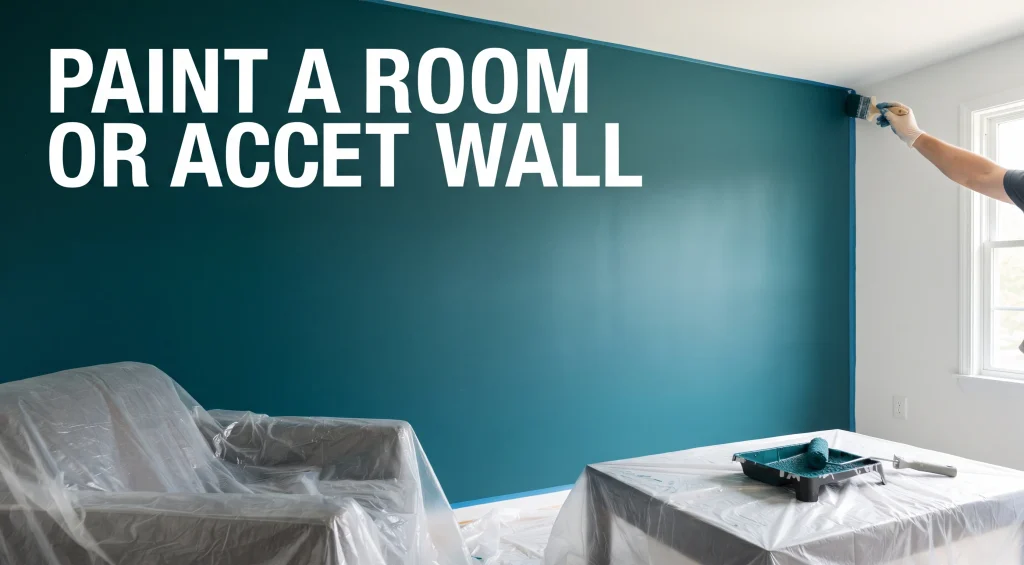
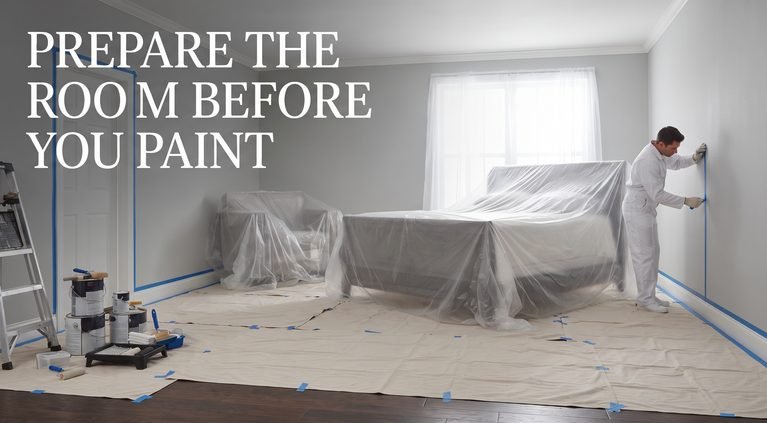
Before painting, remove or cover furniture, clean the walls, fill small holes, and protect floors and trim. Apply painter’s tape where needed and use thin, even coats for a professional-looking finish.
If you want a dramatic change without painting the entire room, consider creating an accent wall. Choose a color that complements your furniture, flooring, and existing decor.
2. Upgrade Cabinet Hardware
Replacing old cabinet knobs and pulls is a simple DIY home improvement idea that can refresh your kitchen, bathroom, laundry room, or storage cabinets.
Measure the existing hole spacing before purchasing replacement hardware. If the new handles require different measurements, mark and drill new holes carefully.
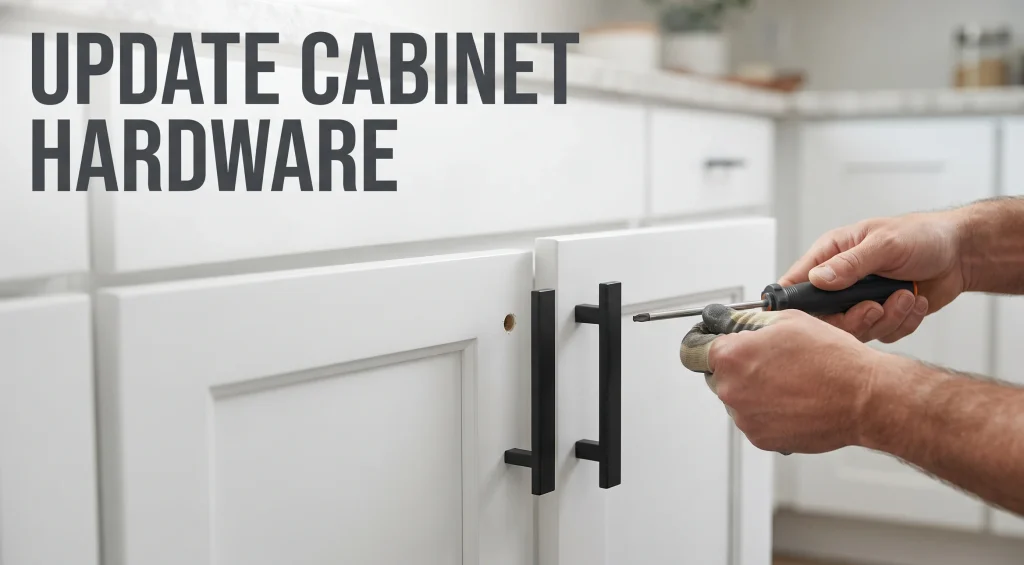
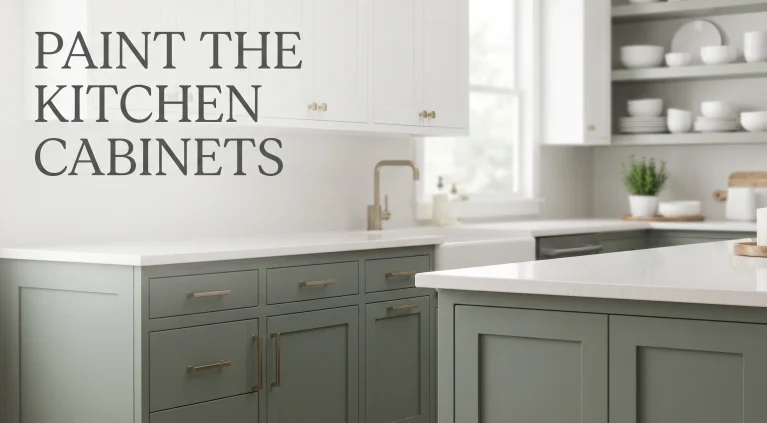
For a coordinated appearance, select finishes and styles that complement the rest of your room. Black, brushed nickel, and brass hardware can all create an attractive update when matched with the existing decor.
3. Replace Light Fixtures or Shades
Improving your lighting can make a significant difference in the appearance and comfort of your home. Simple DIY home improvement options include changing lampshades, adding plug-in lamps, or selecting suitable replacement bulbs.
Warm white lighting often works well in bedrooms and relaxing living spaces, while brighter neutral lighting can be useful in kitchens and work areas.
Permanently wired light fixtures require additional care. Follow local electrical regulations and hire a qualified electrician if you are unsure about household wiring.
4. Re-Caulk Old Caulk
Cracked, stained, or damaged caulk can make a bathroom or kitchen look old, even when the surfaces are otherwise clean. Re-caulking is an affordable DIY home improvement project that can improve the finished appearance of sinks, bathtubs, and suitable joints.
Remove loose or failing caulk, clean the surface, and allow it to dry completely. Apply a sealant designed for the specific location and follow the manufacturer’s instructions.
Avoid applying new caulk over dirty or deteriorated material. Proper preparation helps the new sealant adhere correctly and last longer.
5. Replace Interior Door Handles
Updating door handles is an easy way to make bedrooms, bathrooms, and closets look more polished. This small DIY home improvement project usually requires only basic hand tools.
Before buying replacement hardware, check the door thickness, backset, latch configuration, and existing preparation. Choosing compatible hardware can save time and prevent unnecessary drilling.
For a consistent finish, coordinate door handles with cabinet hardware and other metal details throughout your home.
6. Add Floating Shelves
Floating shelves provide additional storage while creating space for books, plants, photographs, and decorative accessories.
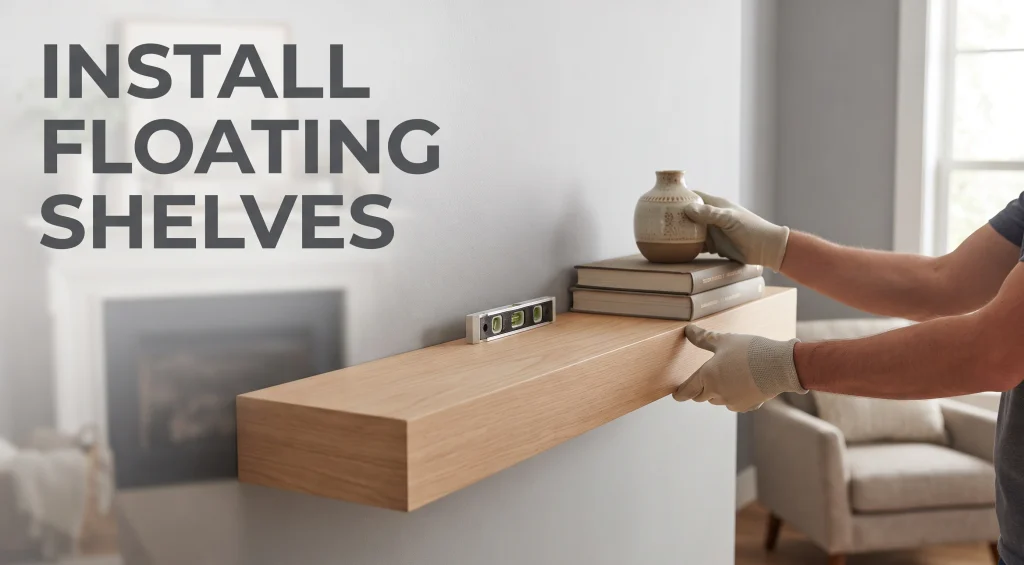
Start by choosing a suitable location and checking for hidden wiring or plumbing before drilling. Locate wall studs and use mounting hardware appropriate for the wall construction and the weight of the items you plan to store.
Always follow the shelf manufacturer’s weight limits. Proper installation is essential for a safe and attractive DIY home improvement result.
7. Install Peel-and-Stick Backsplash Tiles
Peel-and-stick backsplash tiles can refresh a kitchen or another suitable surface without the complexity of a traditional tile installation.
Clean the wall thoroughly and let it dry before applying the product. Measure the area carefully and plan the placement of seams, corners, and edges before removing the backing.
Check that the product is suitable for your wall surface and the expected heat and moisture conditions. Accurate alignment and careful preparation will help the finished backsplash look neat.
8. Replace Outlet Covers and Switch Plates
Old, yellowed, cracked, or mismatched outlet covers can make a room look dated. Replacing undamaged cover plates with clean, coordinated alternatives is a simple DIY home improvement task.
Use the correct screwdriver and follow appropriate electrical safety precautions. If an outlet or switch appears loose, burned, damaged, or unusually warm, do not simply cover it with a new plate. Stop using it if necessary and contact a qualified electrician.
Never attempt electrical repairs beyond your skills or local legal requirements.
9. Maximize Closet Space
Improving closet organization is a practical DIY home improvement project that can make a small home feel more spacious.
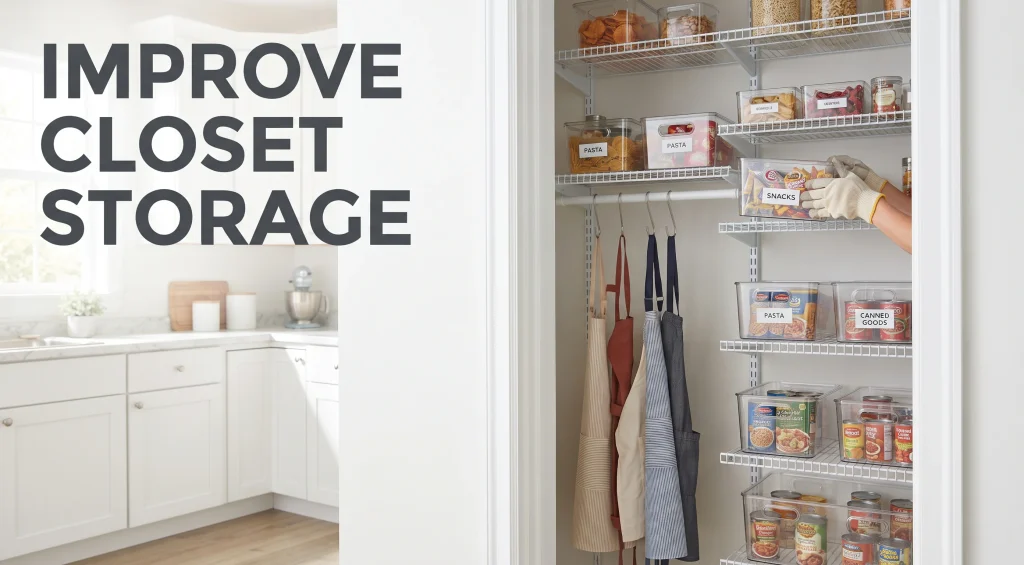
Try these simple ideas:
- Add a second hanging rod where the closet layout allows.
- Use shelf dividers to organize folded clothes.
- Store accessories in labeled boxes.
- Install suitable hooks for bags and everyday items.
- Keep seasonal clothing separate.
- Use vertical space efficiently.
Measure your closet before buying organizers. A carefully planned storage system can improve accessibility and help reduce clutter without requiring a larger closet.
10. Refresh Baseboards and Trim
Scuffed baseboards and worn door trim can make an otherwise freshly painted room look unfinished. Cleaning and repainting these details is a straightforward DIY home improvement project.
Clean the surfaces, repair minor defects, and lightly sand or prime where appropriate for the existing finish and paint system. Use paint designed for the surface and application.
Painter’s tape can help protect nearby walls and flooring, although careful brushwork may provide cleaner edges. Allow each coat to dry according to the manufacturer’s instructions.
11. Hang Curtain Rods
New curtain rods can change the appearance of a window and make a room feel more balanced. This beginner-friendly home improvement project can be completed with a measuring tape, level, pencil, and suitable mounting hardware.
Measure the window before drilling. Depending on the room and curtain style, mounting the rod slightly above and beyond the window frame can create the appearance of a taller, wider window.
Use a level to keep the rod straight and select anchors or fasteners appropriate for the wall and curtain weight.
12. Update Bathroom Accessories
Replacing towel bars, toilet paper holders, hooks, and other bathroom accessories can give the room a coordinated appearance without a full renovation.
Choose accessories designed to withstand bathroom humidity. Where possible, reuse existing mounting points to avoid unnecessary holes.
Before drilling into a wall, check for hidden plumbing and wiring. Appropriate placement and secure mounting will help your bathroom improvement look neat and remain practical.
13. Weatherproof Doors and Windows
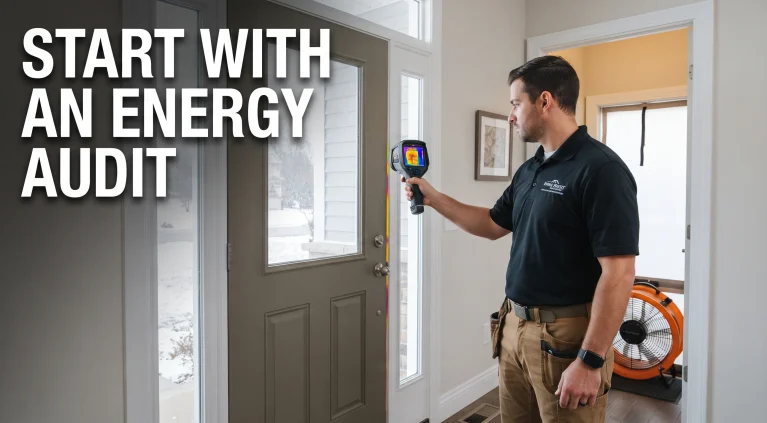
Drafts around doors and windows can affect indoor comfort and allow unwanted moisture to enter the building.
Inspect existing weatherstripping and seals for cracks, gaps, or deterioration. Replace worn weatherstripping and use a suitable exterior sealant where appropriate.
This type of DIY home improvement can help reduce drafts and improve comfort throughout the year. However, never seal openings intended for drainage, ventilation, or other essential building functions.
14. Make a Simple Entryway Station
An organized entryway creates a welcoming first impression and makes everyday routines easier.
Consider adding:
- Wall hooks for coats and bags.
- A small bench for putting on shoes.
- A shoe tray to contain dirt and moisture.
- A basket for gloves, scarves, and accessories.
- A small shelf or tray for keys.
Choose furniture and storage that fit the available space. In a narrow entryway, compact wall-mounted solutions may work better than bulky furniture.
This easy DIY home improvement project can help keep clutter under control while making your home more functional.
15. Revamp an Outdoor Space
You do not need to build a deck or redesign an entire garden to improve an outdoor area. Simple updates can make a patio, balcony, or garden more inviting.
Try cleaning outdoor furniture, repainting suitable surfaces, adding planters, organizing garden tools, or creating a small seating area.
Use products specifically rated for exterior conditions and follow the manufacturer’s instructions for weather exposure. Keep walkways clear and make sure outdoor lighting and furniture are suitable for their intended environment.
Essential Tools for DIY Home Improvement Beginners
A basic toolkit can help you complete many small home improvement projects without repeatedly purchasing equipment.
Consider starting with these essentials:
- Measuring tape
- Screwdriver set
- Adjustable wrench
- Hammer
- Utility knife
- Spirit level
- Pliers
- Drill and appropriate drill bits
- Stud finder
- Pencil and markers
- Safety glasses
- Work gloves
You do not need to purchase every tool at once. Start with the equipment required for your first project and choose tools that are comfortable, durable, and suitable for the task.
Common DIY Home Improvement Mistakes to Avoid
Skipping Measurements
Measure twice before cutting, drilling, or purchasing materials. Incorrect measurements can waste money, damage surfaces, and create unnecessary repair work.
Neglecting Surface Preparation
Paint, adhesives, and caulk generally perform better when applied to properly prepared surfaces. Clean away dirt, grease, dust, and loose material, and allow surfaces to dry when required.
Buying Materials Before Planning
Before purchasing supplies, check dimensions, compatibility, quantities, installation requirements, and intended use. Planning ahead can help prevent wasted materials and unnecessary expenses.
Rushing the Project
Working too quickly can result in crooked shelves, uneven paint, poorly sealed joints, and damaged surfaces. Allow enough time for preparation, installation, drying, and curing.
Attempting Risky Work
Beginners should avoid taking unnecessary risks involving electrical wiring, gas lines, major plumbing, structural alterations, roofing, or suspected hazardous materials. Stop if you discover a potential safety issue and contact a qualified professional.
How to Make DIY Home Improvements Look Professional
Professional-looking results usually come from careful preparation and attention to detail rather than expensive materials.
Follow these tips for better results:
- Measure accurately: Double-check dimensions before cutting or drilling.
- Prepare surfaces: Remove dirt, grease, dust, and loose material.
- Use proper tools: Choose tools designed for the job.
- Check alignment: Use a level when installing shelves, rods, and hardware.
- Pay attention to edges: Take extra care around corners, seams, and trim.
- Finish carefully: Clean up excess paint, adhesive, and sealant as directed.
- Be patient: Allow products to dry or cure fully before using the finished area.
Keep receipts, product labels, and finish information for future maintenance. Knowing which paint, sealant, or hardware you used can make later repairs and replacements easier.
Frequently Asked Questions About DIY Home Improvement
What Is the Easiest DIY Home Improvement Project?
Painting a small room or accent wall is often a manageable starting point. Other beginner-friendly options include replacing cabinet hardware, hanging curtain rods, organizing closets, and updating decorative accessories.
Which DIY Home Improvement Projects Make the Biggest Visual Difference?
Painting walls, updating cabinet hardware, refreshing trim, improving lighting, adding shelves, and coordinating bathroom accessories can noticeably improve a home’s appearance without requiring a major renovation.
What Tools Should a Beginner Buy First?
Start with a measuring tape, screwdriver set, hammer, spirit level, pliers, utility knife, and safety glasses. Add a drill, stud finder, and specialized tools as your projects require them.
Can Beginners Complete Home Improvement Projects Without Power Tools?
Yes. Many DIY home improvement projects can be completed using basic hand tools. Painting, organizing storage, replacing compatible cabinet hardware, and updating decorative accessories are good examples.
What Home Improvement Projects Should Beginners Avoid?
Avoid complex electrical work, gas repairs, major plumbing changes, structural alterations, and roofing projects unless you have the necessary training and authorization. Local codes may require permits or qualified professionals for certain work.
How Can I Make My DIY Project Look Less Amateur?
Spend enough time measuring and preparing surfaces before beginning. Use appropriate tools, check alignment, follow product instructions, and allow adequate drying and curing time. Careful finishing often makes the biggest difference.
Conclusion
DIY home improvement projects can make your home more comfortable, attractive, and organized without the cost of a complete renovation. From painting an accent wall and installing floating shelves to improving closet storage and refreshing an entryway, small changes can deliver noticeable results.
Start with one manageable project, choose materials carefully, and follow the appropriate safety precautions. As your skills and confidence grow, you can gradually take on more challenging improvements.
The goal of DIY home improvement is not just to save money. It is also an opportunity to learn practical skills, solve everyday problems, and create a home that better suits your lifestyle.
Suggested Meta Title: DIY Home Improvement: 15 Easy Ideas
Suggested Meta Description: DIY home improvement ideas for beginners: discover 15 easy, budget-friendly projects to refresh rooms, improve storage, update hardware, and enhance your home.
Suggested URL Slug: /diy-home-improvement-ideas/
Recommended Internal Links:
- Small Bedroom Storage Ideas
- How to Arrange a Small Kitchen
- Storage Ideas for a Small Bathroom
- Best Under-Bed Storage Ideas
- Declutter Your Home Room by Room
- Low-Maintenance Landscaping Ideas
- How to Naturally Improve Garden Soil