10-essential tips for A safer home maintenance
A well-maintained home is generally more comfortable, more efficient and easier to manage. Plus, small problems are often easier and less expensive to fix before they become big repairs. Regular home maintenance can help homeowners prevent these problems.
The problem is knowing what to pay attention to, and when. Seasonal home maintenance makes the process much more manageable. Don’t try to do all your inspecting at one time. Spread important tasks throughout the year and concentrate on issues most relevant to the weather and time of year. A home maintenance routine helps keep these tasks organized.
Here is a good home maintenance checklist to help keep your property in good shape, whether it is a house, townhome or other residential property.
Why Regular Home Maintenance is Important
Regular maintenance is far more than just keeping a property looking neat. Your home’s roof, plumbing, electrical, heating and cooling equipment, drainage and exterior all need some attention now and then. Regular home maintenance inspections can help identify potential problems before they become expensive repairs.
Regular inspections can help you to:
- Detect leaks and moisture problems early
- Keep gutters and drainage
- Increase heating and cooling efficiency
- Make unexpected repairs less likely
- Guard exterior surfaces against weather damage
- Improve the safety of your home
- Prolong the service life of household equipment and materials
Not all tasks need to be done each month. The key is to design a home maintenance schedule that reflects your home’s age, construction, climate and equipment.
Spring Home Maintenance To-Do List
Spring is a good time to check your home after winter and get ready for warmer weather. Spring home maintenance helps identify damage caused by cold weather and prepare the property for warmer months.

Inspect the Outside and Roof
Look for any obvious damage, such as missing or damaged roofing materials, cracked exterior surfaces, deteriorating sealant or places where water may be entering.
If you can’t get up on your roof easily or safely, don’t try to get up there yourself. A qualified professional can make a better inspection.
Also check around windows and doors for damaged weatherstripping or caulking that has deteriorated. Plugging obvious holes helps keep drafts and moisture out. These home maintenance checks can help protect your property from moisture damage.
Gutter and Downspout Cleaning
Clear out leaves, twigs and other debris from gutters and downspouts. Ensure that water can run away freely from the house.
Downspouts should be placed so that the water is discharged far enough away from the foundation to minimize the risk of water pooling right next to the building. Proper drainage is an important part of home maintenance.
Test for leaks in Plumbing
Look for signs of water dripping or moisture on visible pipes, faucets, toilets and underneath the sink.
Do not disregard small leaks. If moisture persists , it can lead to water damage , mold growth , or deterioration of the surrounding materials . Regular plumbing checks are an essential home maintenance task.
Prepair Cooling Systems
Check your air-conditioning system and replace or clean filters as directed by the equipment manufacturer until the weather is reliably warm.
If you need to service the system, or it is not working properly, set up professional maintenance rather than wait until the hottest part of summer. Routine home maintenance can help keep cooling equipment working efficiently.
Summer Home Maintenance Checklist
Summer maintenance is often about cooling, outdoor space, moisture, and heat protection. Summer home maintenance also helps identify issues that may affect your property’s exterior and outdoor equipment.
Check doors & windows
Inspect locks, seals and weatherstripping on screens. Worn seals can allow conditioned air to leak out, and damaged screens can allow bugs to get in.
Keep outdoor areas
Trim vegetation away from structures where practical. Trees and shrubs that grow tight against walls, roofs or equipment can cause maintenance problems and inspection problems.
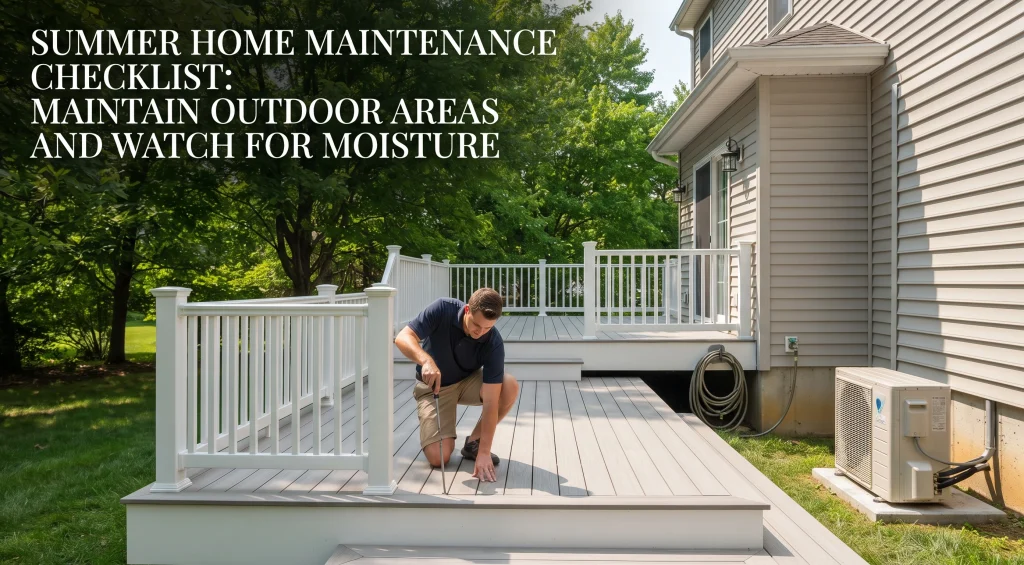
Inspect decks, patios, fences and outdoor steps for loose boards, damaged surfaces, unstable railings or other safety hazards. These outdoor inspections are useful home maintenance steps for keeping the property safe.
Watch for Moisture Issues
Warm weather does not fix all the water problems. Inspect exterior faucets, irrigation systems, air conditioning equipment and drain areas for unexplained moisture.
When it rains hard, go around the property and look for spots where the water always collects. Checking drainage regularly is another important home maintenance habit.
Fall Home Maintenance Checklist:
Autumn is a great time to get your house ready for colder, wetter weather. Fall home maintenance helps prepare your property for seasonal changes.
Re-clean and Inspect Gutters
Leaves falling down can quickly clog up gutters. Wipe them down and make sure downspouts are clear.
If your home is shaded by lots of trees, you may need to service your gutters more often than a home with few trees nearby.
Check the Roof
Check for obvious damage, loose materials, broken flashing or signs of entry of water. Fix problems before the heavy winter weather makes it more difficult to fix. Regular roof inspections are an important part of home maintenance.
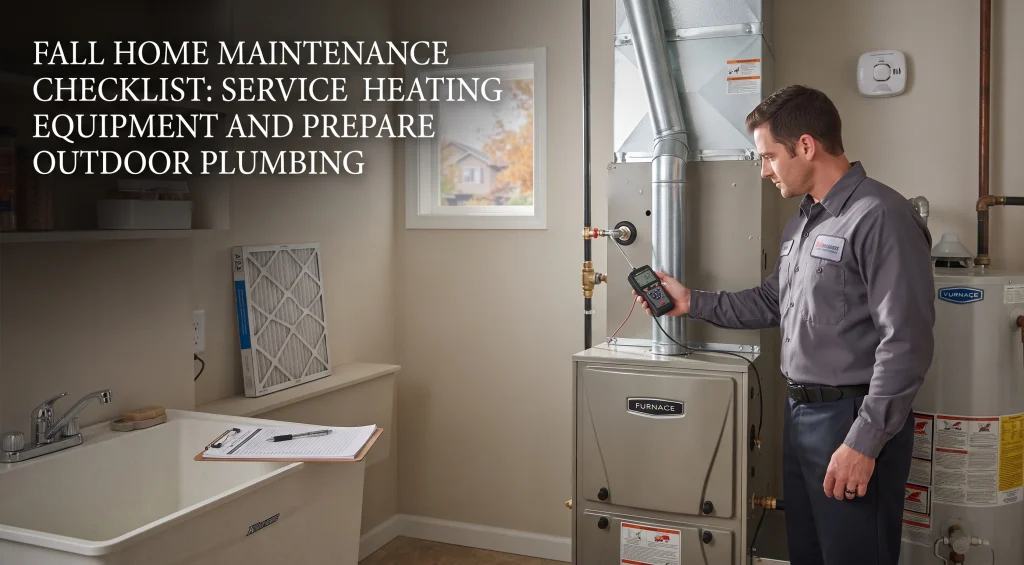
Service for Heating Equipment
Have heating equipment serviced according to the manufacturer’s recommendations. Replace filters as needed, and ensure vents and registers are not blocked by furniture or household items.
If you notice unusual smells, noises, poor performance or other problems with a heating system, call in a qualified technician. Professional servicing supports safe and effective home maintenance.
Outdoor Plumbing Prep
In areas where freezing temperatures are expected, protect exposed water lines and disconnect outdoor hoses as appropriate to the plumbing system and local climate.
The exact steps will depend on whether the pipes are exposed, insulated or in a heated area. Preparing plumbing for winter is an important seasonal home maintenance task.
Winter Maintenance Checklist
Winter maintenance is primarily about preventing cold weather damage and keeping the indoor environment safe and comfortable. Winter home maintenance focuses on protecting pipes, checking safety devices and identifying weather-related damage.
Protect Your Pipes From Freezing
If temperatures are expected to drop below freezing, pay attention to plumbing in unheated areas such as garages, crawl spaces or on exterior walls.
Know where your main water shut off is. In an emergency, turning the water off quickly can limit damage.

If you have a frozen pipe, do not thaw it out with an open flame. If you cannot safely correct the problem, call a qualified plumber.
Test Smoke and Carbon Monoxide Alarms
Test smoke alarms and carbon monoxide alarms as per manufacturer’s instructions. Replace batteries or full unit as required.
Carbon monoxide is especially dangerous during the heating season when faulty or improperly vented fuel-burning appliances can cause a potentially deadly accumulation of the gas. Checking safety devices is an essential part of home maintenance.
Look for Ice, Snow and Water Damage
Be aware of snow and ice accumulation in vulnerable spots in cold climates. After severe weather, safely inspect accessible parts of the property for damage.
Don’t ever take risks to check a roof or other dangerous area in a storm. Safe inspections should always be a priority during winter home maintenance.
Monthly Home Maintenance Checklist
Seasonal maintenance is easier with simple checks every month. A monthly home maintenance checklist helps you remember routine inspections throughout the year.
Attempt to work these tasks into your routine:
- Look for any obvious plumbing leaks
- Test smoke and carbon monoxide alarms on a recommended schedule
- Ensure under-sink dampness check
- Look for unusual stains on walls or ceilings
- Check HVAC filters if applicable.
- Inspect doors and windows for visible damage
- Check the exterior for drainage problems
- Check appliances for odd noises or performance changes
- Ensure equipment and utility areas are accessible.
- Replace burned out interior and exterior lights
Keep a simple record of dates, repairs, appliance information and professional service visits. This can help to remember repetitive tasks and identify emerging problems. Keeping home maintenance records can also help you track recurring issues.
Mistakes to Avoid When Maintaining Your Home
It’s a very common mistake to wait for something to break before fixing it. Preventive maintenance works best when you catch problems early. A consistent home maintenance routine can help reduce the likelihood of expensive repairs.
Other errors include:
- Ignoring small leaks: A small leak may be a sign of a bigger plumbing problem and may slowly damage the surrounding materials.
- Skipping seasonal inspections: Different issues can crop up in different seasons.
- Using the wrong replacement parts: Filters, components and materials need to be compatible with the particular equipment or system.
- Unsafe repairs: Electrical, gas appliances, structural, roofing and work with difficult access may need qualified professionals.
- Disregarding manufacturer’s instructions: Maintenance intervals vary significantly between appliances and systems and the manufacturer’s guidance must take precedence over generic schedules.
When to Call a Pro
Some situations require the expertise of a professional, but many simple tasks are appropriate for DIY maintenance. Knowing when to hire a professional is an important part of responsible home maintenance.
If you have problems with: consult an appropriately qualified professional.
- Electrical wiring or electrical boxes.
- Fuel-burning equipment or gas lines
- Major leaks in plumbing
- Damage to structure
- Roof damage, extensive
- Cooling or heating system failure
- Possible problems with carbon monoxide
- Damage from mold or heavy water
- Repairs that require ladders or roof access that cannot be safely performed
The purpose of a maintenance routine is not to do each and every repair yourself. It’s to spot problems at an early stage and react accordingly.
Frequently Asked Questions (FAQs)
How Often Should You Do Home Maintenance?
Some tasks require a monthly check, others are seasonal or annual. The best schedule for you depends on the age of your home, where you live, your home’s construction, the appliances you use and the systems you have installed. A suitable home maintenance schedule should reflect these individual needs.
What should I check in my house every month?
Look for visible plumbing leaks, HVAC filters where applicable, smoke and carbon monoxide alarms, unusual moisture, doors and windows, exterior drainage, and obvious signs of damage.
What to do for home maintenance every year?
Typical annual maintenance is roof and exterior inspection, gutter cleaning as needed, plumbing inspection, heating and cooling equipment review, safety device inspection and deterioration found during seasonal checks. These annual home maintenance tasks help keep your property in good condition.
How to keep up with home maintenance
A simple calendar, spreadsheet or maintenance app will work. Document work done, date completed, observations, and any repairs or services. A written home maintenance plan makes it easier to keep track of upcoming tasks.
What are the top home maintenance tasks?
Priorities include water intrusion, electrical safety, heating and cooling, structural damage, plumbing, drainage and smoke or carbon monoxide detection. Any problem that could create an immediate safety hazard or cause serious damage to property should be taken care of promptly.
Should all maintenance be done by the homeowners?
No. Simple inspections and routine maintenance can often be handled by homeowners, but specialized or potentially hazardous work should be performed by qualified professionals.
Abstract
You don’t need a complicated home maintenance schedule. Seasonal task lists make it easier to inspect key systems, spot potential problems and keep up with routine care all year long.
Start with the basics Look for and repair leaks, Maintain drainage, Inspect the exterior, Maintain heating and cooling equipment, Test safety devices and Act quickly when something looks odd. Keep records of work done and follow the manufacturer recommendations for appliances and mechanical systems. Following these basic home maintenance steps can make property care more manageable.
Most importantly, think of maintenance as a habit you do regularly, not a project you do once a year. A few small checks during the year will help you know the condition of your home and fix problems before they become bigger maintenance problems. A consistent home maintenance routine helps you stay aware of your property’s condition throughout the year.