7 Easy Steps to Start a Vegetable Garden for Beginners
Starting a vegetable garden can be intimidating the first time you open seed packets and look at soil, watering schedules and planting dates. The good news is that you don’t need a big yard or years of gardening experience to grow fresh vegetables at home.
A successful beginner garden is the result of a few simple choices: choose a suitable site, grow vegetables that suit your climate and space, prepare the soil, and give your plants consistent care. It is also easier to learn what works in your garden if you start small and don’t get overwhelmed.
Whether you have a backyard, patio, balcony or just a few containers, this guide will show you how to start a vegetable garden from scratch.
Select the ideal spot for your vegetable garden
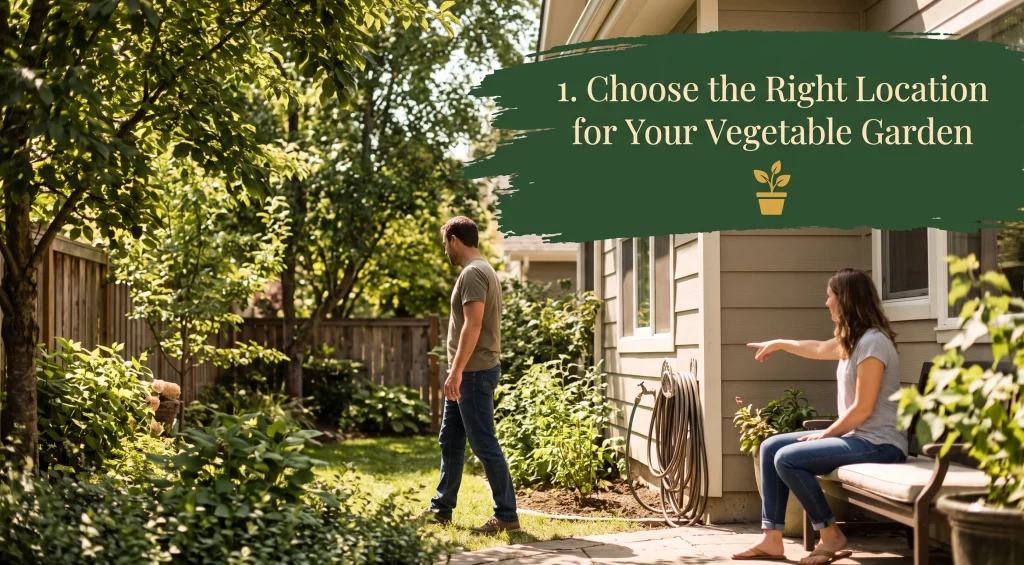
Location is one of the most important decisions you will make. Most common vegetables do best when they receive lots of direct sunlight during the day.
Look for lots of sunlight
Many vegetables, including tomatoes, peppers, cucumbers and squash, do best with about six or more hours of direct sun. Lettuce and some herbs are more forgiving of less.
Before you plant, spend a day “observing” your potential gardening area. Take note of which areas receive morning or afternoon sun and whether nearby buildings, fences or trees shade the area.
Make Watering a Breeze
Keep your garden within a reasonable distance of a source of water. Hauling watering cans back and forth across a large yard every day can get old pretty fast.
At the same time, stay away from areas where water tends to pool after it rains. Good drainage helps protect plant roots from staying too wet.
Decide What Kind of Garden You Want
You don’t have to dig a traditional garden bed. Choose a configuration that suits your space, budget and physical needs.

Plants Gardens
If you have the right soil and enough yard space, an in-ground garden is a great option. It can give you lots of crop space but you may need to improve the existing soil before planting.
Raised Beds
Raised beds give you more control over the soil your plants are growing in. They can also be handy if you like a specific gardening space.
A beginner doesn’t need a big raised bed. A little bed is often easier to keep up, and can provide a surprising amount of food if planned carefully.
Garden Containers
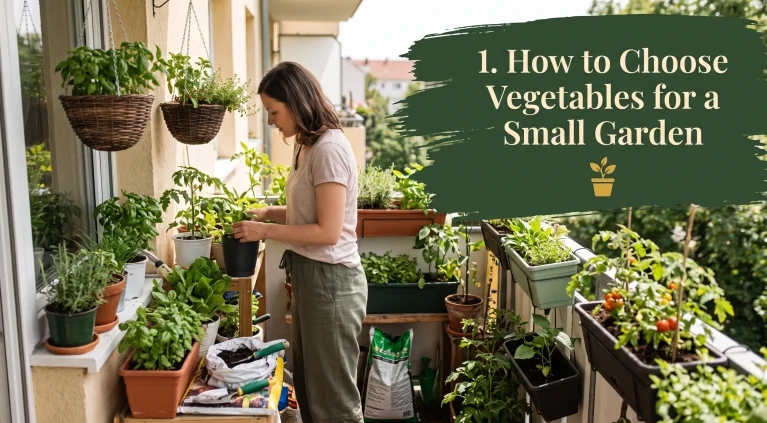
Containers are especially handy for balconies, patios, small yards or renters. Tomatoes, peppers, lettuce, herbs, radishes and other small crops can do well in proper containers.
Containers should have drainage holes and be appropriately sized for the plants you plan to grow.
Easy Vegetables to Grow as a Beginner
One of the easiest ways to ensure that your first growing season is a pleasurable one is to choose vegetables that are fairly easy to grow under your local conditions.
Good options for many beginners are:
- Lettuce (Salad)
- Radishes
- Green bean
- Peas
- carrot
- Cucumbers, sliced
- Courgette
- tomato
- Chili Peppers
- Herbs like basil and parsley
But the best options are dependent on your local climate and the season. A vegetable that is happy to grow in the summer in one part of the world may have a hard time during the same month in a very different climate.
Don’t attempt to grow everything at once, start with three to five crops. You will have more time to look at each plant and see how it reacts to your conditions.
Preparing the Soil Before Planting
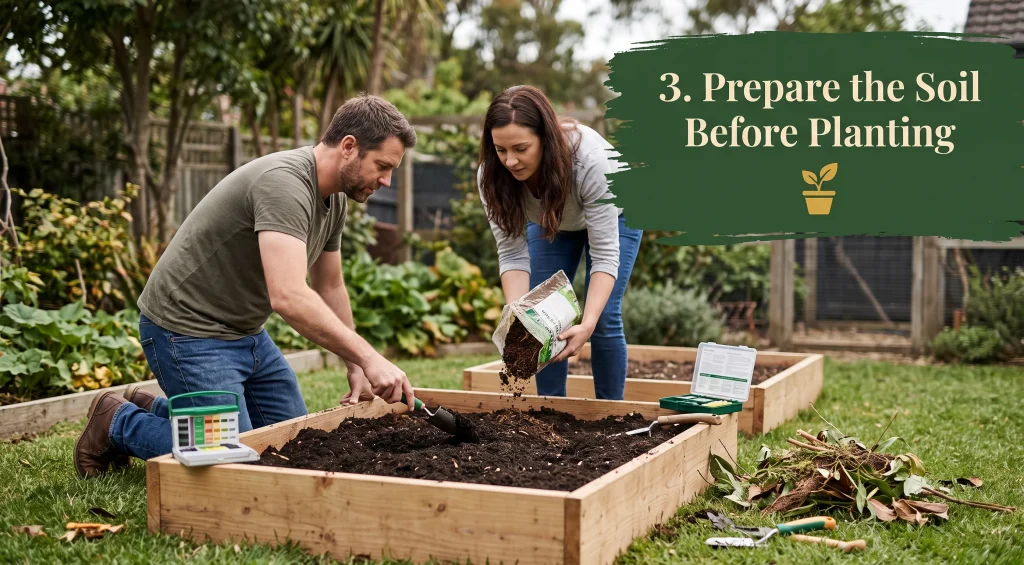
Healthy soil is strong base for plants. Remove weeds, rocks, large pieces of debris from the growing area prior to planting.
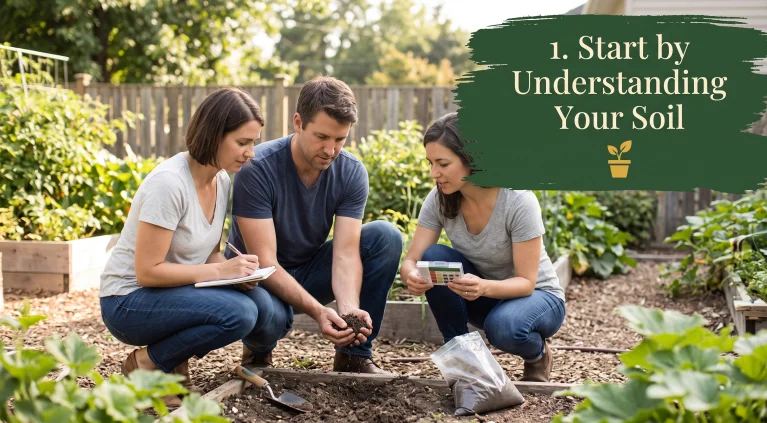
If you have an existing garden bed, have the soil tested by a local extension service or other reputable soil-testing provider. A simple soil test can give important information about soil pH and nutrients.
Add Organic Material
Compost and other suitable organic matter can improve soil structure and encourage healthy plant growth. Rather than blindly adding large amounts of amendments, incorporate them into the soil according to the needs of your specific garden.
Use a good potting mix designed for containers rather than just filling pots with garden soil for container gardening.
When To Plant Plans
Timing is as important as location and soil.
Different vegetables like different temperatures. Cool-season crops like peas, lettuce and some root vegetables can handle cooler weather, but tomatoes, peppers, cucumbers and other warm-season crops typically need warmer temperatures.
Check Your Local Growing Season
Gardeners in the USA, UK, Canada, Australia and elsewhere have very different planting calendars. Instead of using a generic online date, check a reliable local gardening calendar or agricultural extension resource specific to your area.
If frost is a factor in your climate, pay special attention to the average last and first frost dates for your area.
Seed packets are also good sources of information. They normally contain information on suggested planting depth and spacing, germination data, and seasonal advice.
Growing and Taking Care of Your Vegetables
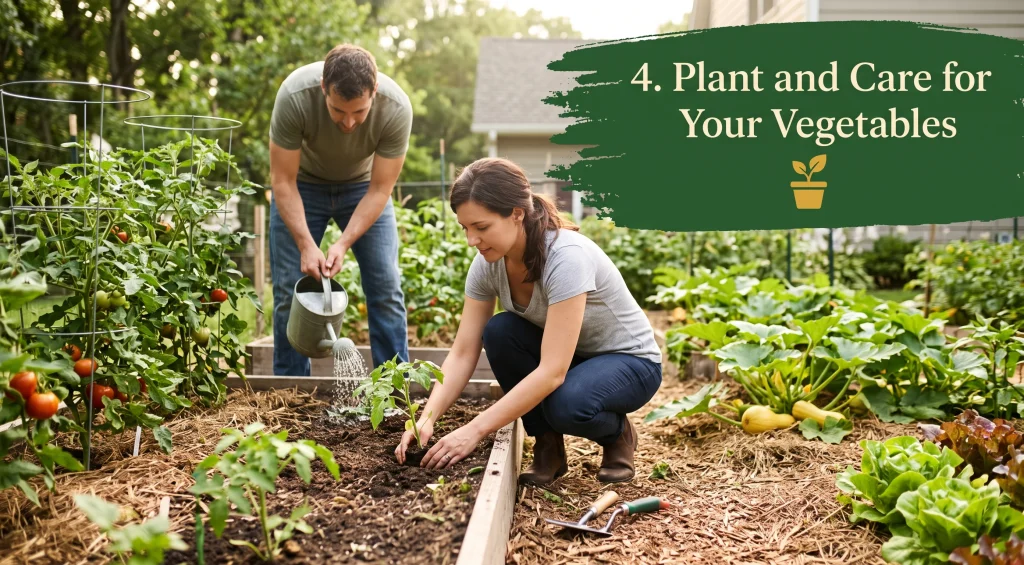
Then, when the soil and timing are correct, it’s time to plant.
Seeds or Transplants ?
Seeds are inexpensive and there is a huge variety. Some vegetables, however, take longer to become established and are perhaps easier for the beginner if bought as young plants.
Transplants grown in the nursery are especially handy for crops such as tomatoes and peppers. Fast growing vegetables like radishes and some leafy greens are often easy to start from seed.
Don’t assume every vegetable needs to be planted the same way, follow the spacing and planting depth recommendations for your specific variety.
Water, Always
New gardeners often make the mistake of either forgetting to water or watering too much.
The aim is to have sufficient moisture in the root zone, but not so much that the soil is constantly saturated. The frequency of watering varies with temperature, rainfall, soil type, size of container, and maturity of the plant.
Test the soil, rather than following a set schedule. In hot or dry weather, plants may require more frequent watering.
Mulch
A layer of suitable organic mulch around plants helps reduce evaporation, suppresses weeds and moderates soil conditions.
Keep mulch slightly away from the immediate base of plant stems to help avoid moisture related problems.
Stop Weeds in Their Tracks –
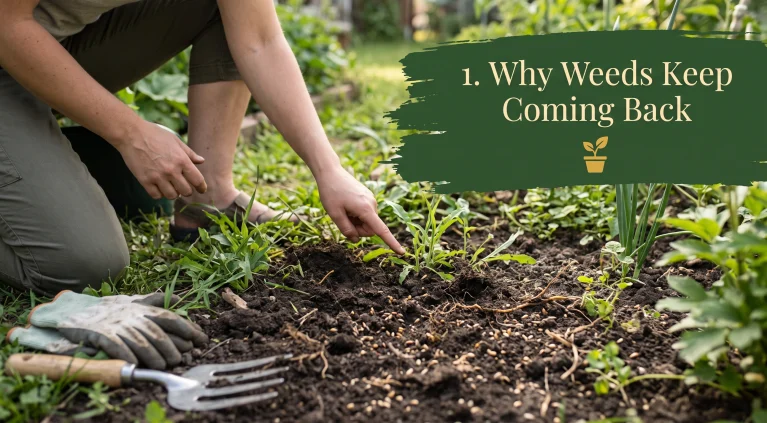
Weeds compete with vegetables for water, nutrients, light and growing room. Removing small weeds regularly is usually easier than allowing them to get established.
A few minutes of maintenance a few times a week can save you a much bigger cleanup later.
Mistakes to Avoid in Vegetable Gardening
Your first garden doesn’t have to be perfect. Mistakes are in fact a part of learning. But it’s worth avoiding some common pitfalls .
- Over-planting. It can be difficult to weed, water and harvest a large garden in a timely fashion. Begin with a small space.
- Not considering plant spacing: Crowded plants can compete for resources and have poorer airflow. Follow spacing recommendations for each crop.
- Overwatering: Too much water isn’t always good. And excess moisture can create unhealthy conditions for the roots.
- Plant selection no matter the season: A simple vegetable, for example, can struggle if planted at the wrong time of year.
- Pests: Check plants regularly for chewed leaves, discoloration, insects and other signs of trouble. The sooner you know about the problem the more options you will have in terms of dealing with it.
- Forgetting to harvest: Many vegetables need to be picked regularly to encourage continued production or to maintain good eating quality.
Easy Vegetable Garden Plan for Beginners
If you don’t know where to begin, keep your first garden simple.
You could grow for a small sunny garden:
- 2 tomato plants for a productive summer harvest
- 1-2 pepper plants for another warm-season choice
- Radishes as a fast growing crop
- Lettuce for green leaf
- Green beans – a fairly simple vegetable culture
- Basil as a Helpful Kitchen Companion Herb
The specific mix should be adapted to your climate, available space and planting season.
Leave space to walk around the plants and get to them for watering, harvesting and maintenance. A garden that is a little less crowded on planting day will often be easier to manage as the plants grow.
FAQ’s
What vegetables are easiest for beginners to grow?
Lettuce, radishes, green beans, peas, carrots, herbs, and certain tomatoes and peppers are good places to start. The easiest option will also depend on your local climate and growing season.
How much sun does a vegetable garden need?
Most vegetables require 6 or more hours of direct sun per day. But each crop requires different amounts of sunlight, so be sure to check the recommendations for each plant you grow.
How much should I water my vegetable garden?
Each garden has its own watering needs. Check the soil and take rainfall, temperature, soil type and plant size into account. Water plants when they need it—not on a timer.
Looking for fertilizer for a vegetable garden?
Not all the time. Fertilizer needs are influenced by the soil, the crop and the amount of nutrients available. A soil test will tell you if you need amendments or fertilizer.
Should you start vegetables from seed or plants?
Both methods can work. Seeds are more varied , and often inexpensive . Young nursery plants can save time , and may be easier for some crops . Beginners can use the combination of the two.
How to Grow Vegetables Without a Backyard?
Yes. Container gardening and raised beds can also do well on patios, balconies and other small spaces. Make sure to use pots with good drainage and enough room for the plant’s roots. Use compact plants.
Summary
Starting a vegetable garden doesn’t need to be a complicated task or require a big piece of land. “Choosing the right location, selecting vegetables that are suitable for your climate, preparing the soil, planting at the right time and regular care are the main things.
Begin modestly, observe your plants and adapt as you learn! Your first season may teach you more about gardening than any manual can. With experience you can slowly increase your growing area, experiment with new crops and develop a garden that suits your home and lifestyle.
The aim is not to have a perfect garden the first time. It’s about growing something, learning through the process and enjoying the experience of producing fresh food at home.