10 easy ways to make an energy efficient home
Creating an energy efficient home does not require costly renovations or major construction. Simple improvements like sealing drafts, improving insulation, maintaining your heating and cooling system, and switching to energy-efficient lighting can make your home more efficient and help reduce energy bills.
An energy efficient home uses less energy for heating, cooling, lighting, hot water, and everyday comfort. Whether you own your home or rent, making your home energy efficient can improve indoor comfort, reduce energy waste, and lower monthly utility costs.
1. Start with an Energy Audit
The first step toward an energy efficient home is identifying where energy is being wasted. A home energy audit can reveal air leaks, poor insulation, inefficient appliances, and heating or cooling problems.
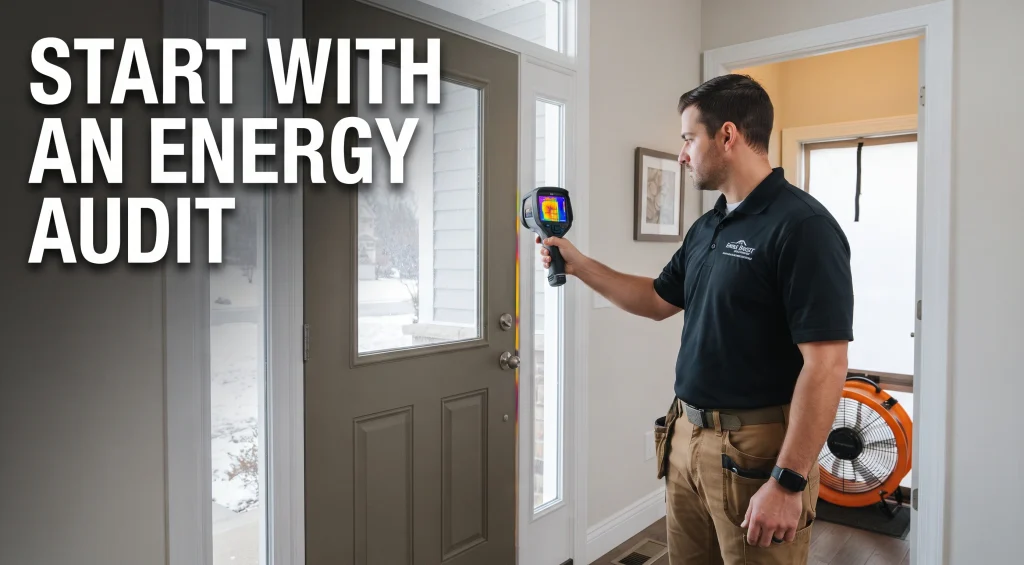
Check your windows, doors, attic, HVAC filters, and electrical appliances. Identifying these issues helps you prioritize improvements and make your home more energy efficient without spending money unnecessarily.
2. Seal Drafts and Air Leaks
Air leaks can make an energy efficient home difficult to maintain because heated or cooled air escapes through gaps around windows, doors, and pipes.
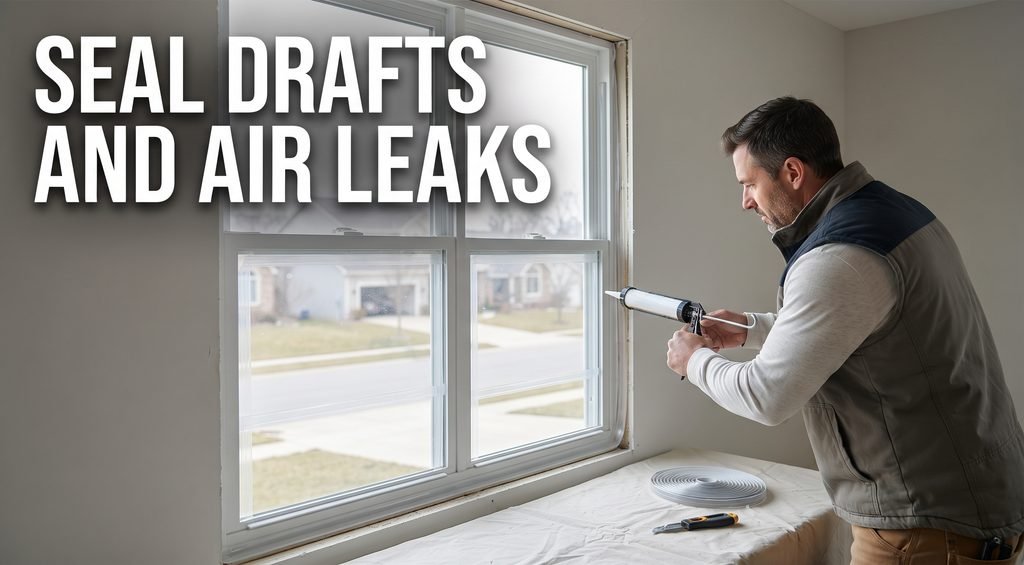
Use caulk to seal stationary gaps and weatherstripping around movable doors and windows. These affordable improvements help maintain indoor temperatures and reduce unnecessary heating and cooling.
3. Improve Home Insulation
Proper insulation is essential for an energy efficient home because it slows heat transfer between indoor and outdoor spaces.
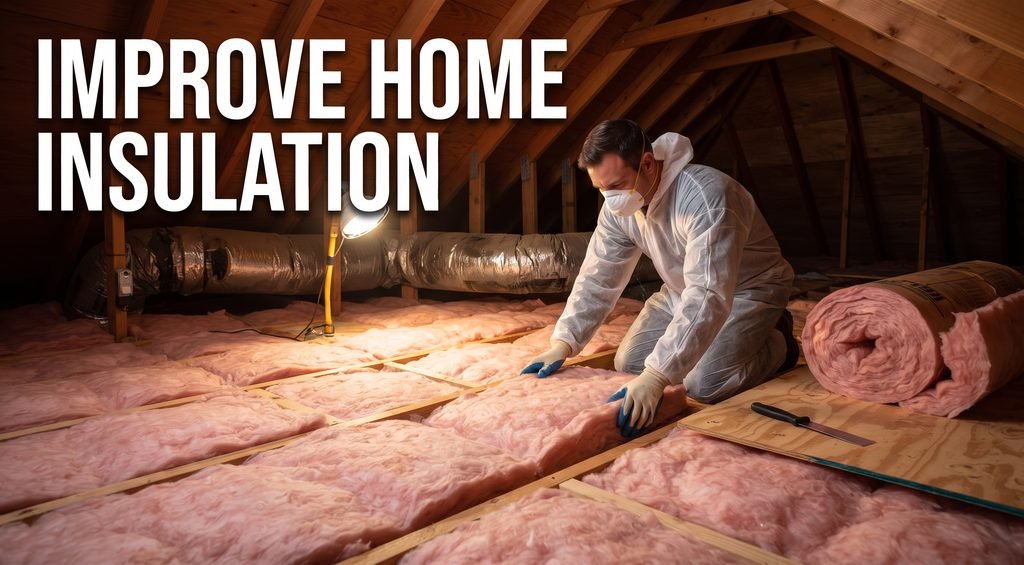
Start by checking your attic insulation. Depending on your climate and home construction, you may also need insulation in walls, floors, basements, or crawl spaces. Combining insulation with air sealing can make your home more comfortable throughout the year.
4. Maintain Your Heating and Cooling System
Heating and cooling systems often account for a significant share of household energy use. Regular maintenance helps an energy efficient home use less energy while maintaining comfortable temperatures.
Inspect HVAC filters monthly and replace them when dirty. Keep vents unobstructed and arrange professional maintenance when needed. If your system is old, compare repair costs with the potential savings from an efficient replacement.
5. Install a Smart Thermostat
A smart thermostat can help make an energy efficient home easier to manage. It allows you to schedule temperature changes according to your daily routine.
Reduce heating or cooling when you are asleep or away, provided temperatures remain safe for occupants, pets, and your property. Remember that smart controls work best alongside proper insulation and air sealing.
6. Switch to Energy-Efficient LED Lighting
LED lighting is a simple way to improve an energy efficient home without major investment. LEDs use considerably less electricity than traditional incandescent bulbs and generally last much longer.
Start by replacing bulbs in frequently used rooms, including kitchens, living rooms, and bedrooms. Turning off lights when they are not needed can further reduce electricity consumption.
7. Make Your Windows More Energy Efficient
Windows affect heat transfer, indoor comfort, and energy consumption. Before replacing old windows, check whether damaged weatherstripping or gaps around the frames are causing drafts.
Curtains, blinds, and suitable window coverings can help manage unwanted sunlight and heat. If replacement is necessary, choose windows suited to your local climate to support a more energy efficient home.
8. Reduce Hot Water Energy Use
Water heating can contribute significantly to household energy costs. An energy efficient home uses hot water wisely and avoids unnecessary waste.
Repair leaking hot-water taps, take shorter showers, wash clothes with cooler water when appropriate, and insulate accessible hot-water pipes where suitable. When replacing a water heater, compare long-term operating costs and consider efficient options such as heat-pump water heaters.
9. Choose Efficient Appliances
Household appliances influence how much electricity your home uses each day. Choosing efficient models can help create an energy efficient home over time.
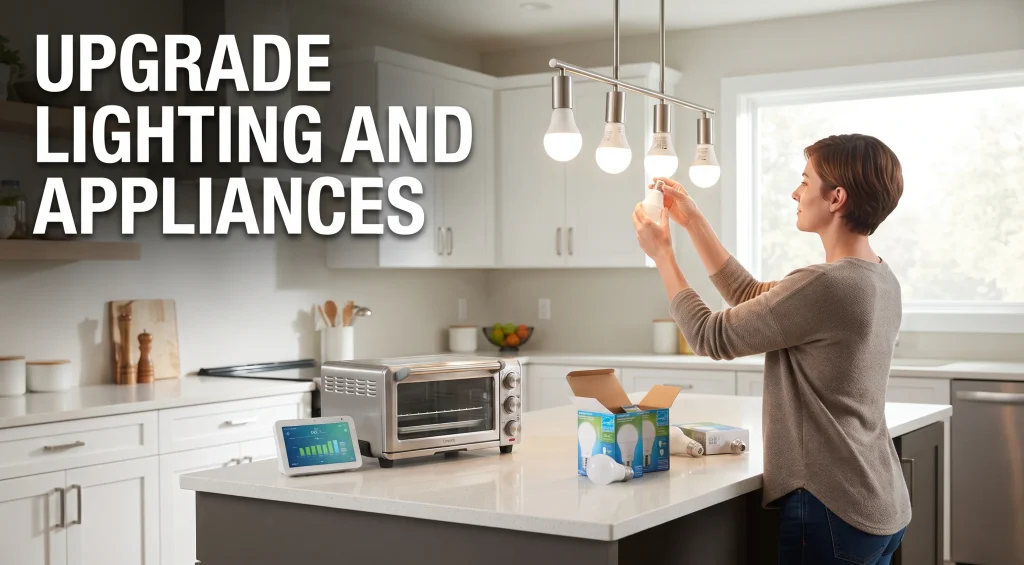
Look for recognized efficiency labels, such as ENERGY STAR in the United States, when buying refrigerators, washing machines, air conditioners, and other major appliances. Replace older equipment when it makes financial sense rather than discarding appliances that still work efficiently.
10. Adopt Energy-Saving Daily Habits
Everyday habits can help make your home more energy efficient without significant upfront costs.
- Turn off lights in unoccupied rooms.
- Use power strips to manage electronics.
- Run washing machines and dishwashers with full loads.
- Keep refrigerator and freezer doors closed.
- Use curtains or blinds to manage sunlight.
- Avoid heating or cooling unused spaces unnecessarily.
- Reduce standby power where practical.
These small actions can complement larger energy efficiency improvements and help control household energy use.
How to Make Your Energy Efficient Home More Affordable
You do not need to complete every improvement at once. Start with affordable measures that address your home’s biggest problems.
- Inspect your home for energy waste.
- Seal obvious air leaks.
- Check attic insulation.
- Maintain your heating and cooling system.
- Replace frequently used bulbs with LEDs.
- Improve duct sealing where necessary.
- Use hot water and appliances efficiently.
- Consider major upgrades when existing equipment needs replacement.
The best approach to an energy efficient home depends on your climate, property condition, household habits, and budget. Fixing basic problems before purchasing expensive equipment can help you spend money more effectively.
Frequently Asked Questions
What Is the Easiest Way to Make an Energy Efficient Home?
Start by sealing drafts, replacing frequently used incandescent bulbs with LEDs, maintaining HVAC filters, and adjusting your heating and cooling schedule. These practical changes can improve comfort and reduce wasted energy.
Does Insulation Make a Home More Energy Efficient?
Yes. Insulation slows heat transfer and helps maintain comfortable indoor temperatures. Combined with air sealing, it can reduce the energy required for heating and cooling.
Should I Replace My Windows to Save Energy?
Not always. Repairing weatherstripping and sealing gaps may solve many problems at a lower cost. Consider replacement when your windows are damaged, inefficient, or no longer meet your needs.
Can a Smart Thermostat Reduce Energy Use?
A smart thermostat can help manage heating and cooling schedules. Its effectiveness depends on your equipment, settings, climate, and household routine.
What Uses the Most Energy in a Home?
Heating and cooling are major energy users in many homes, but the exact amount varies. Water heating, appliances, lighting, and electronics also contribute to total household energy consumption.
Can Renters Make Their Homes More Energy Efficient?
Yes. Renters can use LED bulbs, reduce standby power, manage thermostat settings, and use appliances efficiently. Ask the landlord before making permanent changes to insulation, windows, or building systems.
Final Thoughts
Creating an energy efficient home is about making practical improvements over time. Start with an energy audit, seal air leaks, improve insulation, maintain HVAC equipment, upgrade lighting, and use appliances wisely.
You do not need a major renovation to begin saving energy. By choosing improvements that address your home’s specific needs, you can work toward lower utility bills, better indoor comfort, and a more energy efficient home.